

The year is 2012. The streets of Casablanca are full of promise. Young people, dissatisfied with their current government, are organizing protests and demanding reforms. The Arab Spring movement is taking North Africa by storm and leaving revolutionary sparks in its wake.
But – for now – Casablanca is a city just like any other. The stalls in a local market are stacked with ice and seafood. On the other side of the street, a vendor is squeezing orange juice into a glass. The scent of freshly baked pastries lingers in the air as young people jostle past each other with phones in their hands. A speaker in one of the stalls plays a local rap song.
“They have croissant for breakfast while we eat bread dipped in cheap oil,” the lyrics say. “They dine on grilled meat while we fight over an ounce of meat like worms.”
A bald and bearded German man weaves in and out of the local crowds. Jannis Stürtz was not interested in seafood or pastries – but he was interested in Arabic music. He recently produced an album called Sawtuha, which featured North African women and their songs about corruption and gender inequality. Stürtz might have been humming along to Si Simo or Al Haqed while he wandered the streets of Casablanca.
And he is – truly – wandering. He moves without purpose and turns down odd side streets just to see where they might take him. Eventually, he stops in front of a junk shop.
“I would have nearly passed it unnoticed,” Stürtz wrote when recollecting that day in Casablanca. “[U]ntil I realized that behind the electronics trash were piles of dead stock records.”
It’s not hard to imagine Stürtz in some hole-in-the-wall place full of dust and beat-up DVD players. There might have been vintage photographs on the walls and an old TV set pushed into a corner. Maybe there was even a cat falling asleep on one of the boxes, tired from feeling the sun on her fur and chasing mice in the streets. The shop owner sits behind a counter, eyeing the white man warily.
“Salam alaykum,” Stürtz might have said – and the wary eyes turn kind.
“You speak Arabic?” the man probably asked.
“A little,” Stürtz might have answered with a cheeky grin. He would explain that he was a music producer, traveling with his client who was on tour – before finally asking about the records in the corner.
The owner would nod and explain that he used to run a record label in the 70s. He’ll provide this answer casually, as if it doesn’t raise even more questions about his little junk shop in the old medina. He’ll escort Stürtz to the box of 7-inch records and proudly hand it over.
Stürtz will spend nearly a full day with that box, rummaging through music he’s never seen before. He didn’t know what he was looking for.
And then he found it.
Fadaul et les Privileges recorded an album in the 1970s. Its record sleeve listed James Brown in the writing credits. Intrigued, Stürtz set it up to play with high expectations. The result was an Arabic cover of “Papa Got a Brand New Bag“, backed by a three-piece band. It was “funk played with a punk attitude” – all while staying distinctly Arabic.
Stürtz was “blown away“.
“Come here, mama, and dig this crazy scene,” Fadoul sang. “He’s not too fancy, but his line is pretty clean.”
The record scratches. Stürtz takes a sip of his drink. The dark Moroccan coffee is sweet on his tongue. He taps out a rhythm on his thighs as he hums along to the record player and thinks about his future.
The year is 1968 – the Year of the Protest. Pro-democracy ideas and yearnings for freedom are festering among the world’s youth. Stories of student protests are popping up in every corner of the globe. They never repeat – but they do rhyme.
In France, a student occupation has sparked a nation-wide general strike in support of better wages. Young Mexicans are taking advantage of the Olympic Games to make their demands for reform heard. Students in Italy are fighting for equality and civil rights while anti-establishment protests are rocking universities across Japan.
Every dissent seems to spark another, marches begetting marches and uprisings begetting uprisings until every university has become a hotbed of political debate.
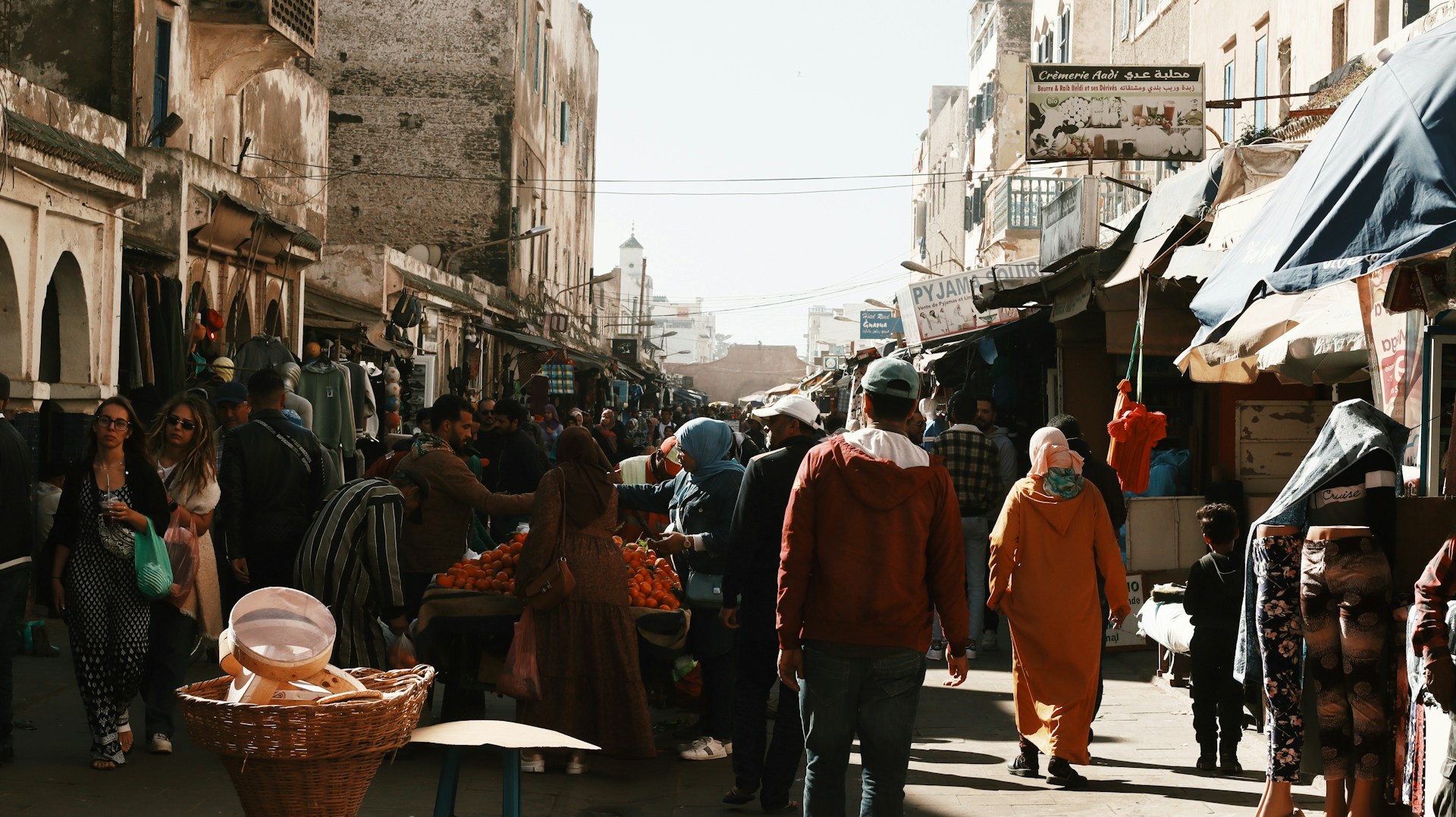
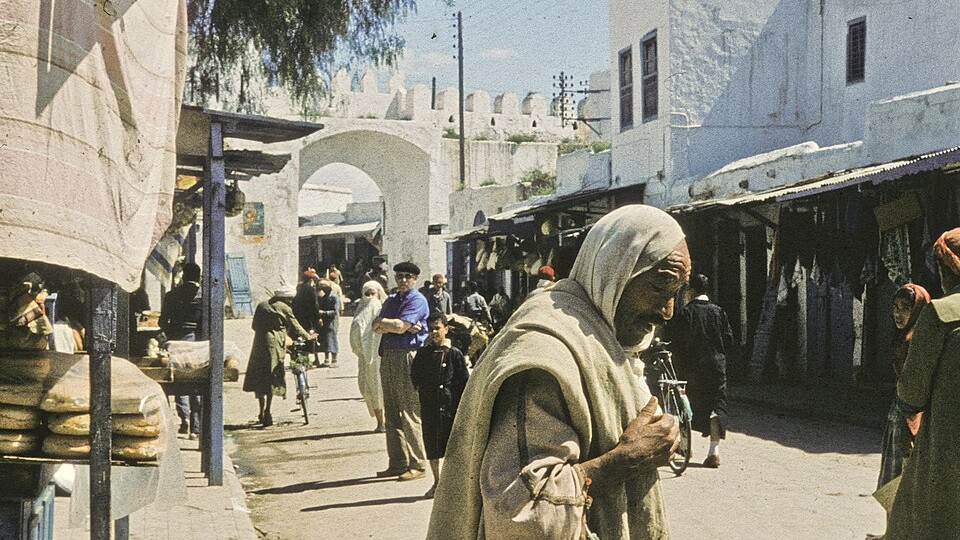
But – for now – Tunis is a city just like any other. The sun is shining. Young men and women walk the streets in fashionable Western clothing, talking about fashionable Western ideas. They might be sipping bottles of Coca-Cola from the convenience store on the corner – eschewing the local vendors with their fresh fish and ripe fruit. The sea lingers nearby, but it isn’t visible from the busy streets.
Fawzi Chekili weaves in and out of the local crowds. He may be Tunisian, but he is still a stranger to this city.
Chekili was born nearly 70 miles away in a small town called Kelibia. On hot summer days, the shadow of an ancient fort offered the only shade in his hometown. Fort de Kelibia dates back to before the birth of Christ and was most recently active during World War II. Chekili must have grown up hearing stories about the days when the Germans ruled France and France ruled Tunisia, when Italians lived in Kelibia and the British dropped bombs on the shore. All this against the breath-taking backdrop of the Mediterranean coast.
But Chekili is 18, and he’s not thinking about the past. He wears flared trousers and sunglasses. He listens to American music. Maybe he carries his guitar while he walks the busy streets, its weight comfortable and familiar against his back. Maybe he carries a book bag, heavy with English literature textbooks and half-used stationary.
Chekili ducks down a side street, passing by all the junk shops filled with broken electronics.
The sun is setting in Tunis. The night is cooler, but moisture still lingers in the air, heavy and slow. The young people are all indoors now. Some are sleeping, but most are not. They are drinking and smoking, laughing and dancing.
It’s not hard to imagine Chekili and his friends among them, sitting in someone’s basement late one night in 1968. The record player in the corner is playing Marvin Gaye or Aretha Franklin. There are bottles of Celtia on the table, and the air smells of salt and cigarette smoke. Their wooden chairs are old and creaky, but they make do in the way young people always seem to.
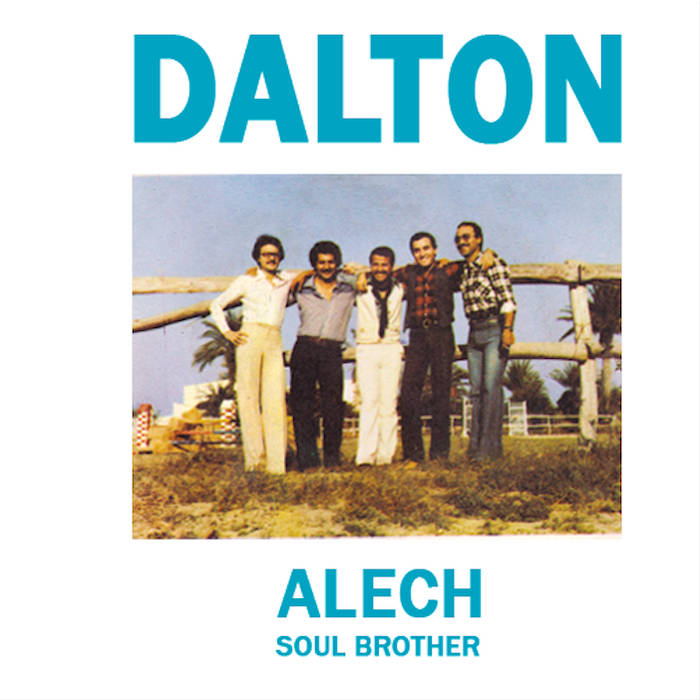
Their band – Dalton – would debut later that year to play local gigs around Tunis. But in this moment, late one night in 1968, Chekili and his friends could have been talking about anything.
Maybe they’re bantering back and forth, debating band names and assigned instruments. Chekili is picking at his guitar while Skaner drums a beat on the table and Sadok writes song lyrics in the margins of his notebook. All of them are bobbing their heads slightly as their music comes to life.
Maybe they’re talking about France and Mexico, about Italy and Japan. Their faces are serious. They talk over each other, animated and passionate. Which protests do they support? Which do they condemn?
Maybe they’re talking about Simone Lellouche – a fellow student at the University of Tunis who was exiled to France in April. Maybe Chekili and his friends account for five of the 1,300 signatures on a petition condemning the president. Maybe some of their friends are among the 134 students who were detained that year.
Or maybe not.
Maybe they are just five young men talking about women and music and beer.
“Come on sing a melody, soul brother,” Dalton would sing in a 1970s recording. “Draw behind your melancholy. All the things you got to do, soul brother. I understand you anyway.”
The record scratches. Chekili takes a sip of his beer. The pale lager is light on his tongue. His guitar is an easy weight in his lap as he hums along to the record player and thinks about his future.
Click here to listen to Dalton’s “Soul Brother”.
Jannis Stürtz spends the next three years searching for Fadoul.
Finding his James Brown cover in that Moroccan junk shop sparked an idea in Stürtz. He founded a new record label after his trip – “Habibi Funk“, a label dedicated solely to reissuing music from the Arab world. Stürtz was out DJing with some of his favorite tunes, but the label hadn’t released anything just yet. First, he had to find Fadoul.
“If you’re a European or Western label and you’re dealing with non-European artists’ music,” Stürtz explained in a 2017 interview. “There’s obviously a special responsibility to make sure you don’t reproduce historic economic patterns of exploitation.”
Stürtz’s first lead about Fadoul came in 2014 – two years after his life-changing day in Casablanca. He’s back in Morocco, talking with members of a local band called the Golden Hands.
“Fadoul?” they must have said when Stürtz asked about the album. “I’m sorry, but he passed away a long time ago.”
It’s a strange kind of grief – to mourn a man you’ve never met and the questions you could never ask him. There is sadness, sure. A melancholy that squeezes the heart. There is disappointment, a sense of loss for the conversations that can never be. And there is guilt, an acknowledgement of the ego – the foolish source of those imagined conversations.
How did Stürtz imagine meeting Fadoul?
Did he picture a café where they would eat Moroccan pastries and talk about James Brown? The busy street outside is lined with palm trees, and the open door lets in a gentle breeze that smells of sweat, concrete, and trash. Customers – most of them men – speak loudly and passionately when they aren’t watching the world pass them by.
Did he picture them wandering through the old medina like cats after midnight? The streets here are smaller, more intimate. The walls around them are tall and white-washed. They duck to the side to avoid a passing bicycle. Stürtz compliments the local graffiti and Fadoul – naturally – agrees with him.
Did he picture a basement full of smoke and Fadoul with a guitar in his lap? There’s a record player in the corner and two bottles of beer on the table. They take turns complaining about their old and creaky chairs – but they make do in the way strangers always seem to.
“Take me back,” the Golden Hands sang in 1977. “To the Earth when I was born. Take me back to the Earth when I belong.”
No, Stürtz isn’t ready to give up just yet.
He thanks the Golden Hands for telling him the truth and changes the subject. Privately, he thinks about that tiny junk shop and the next phone call he plans to make.

Fawzi Chekili would spend the next three years playing music with his friends.
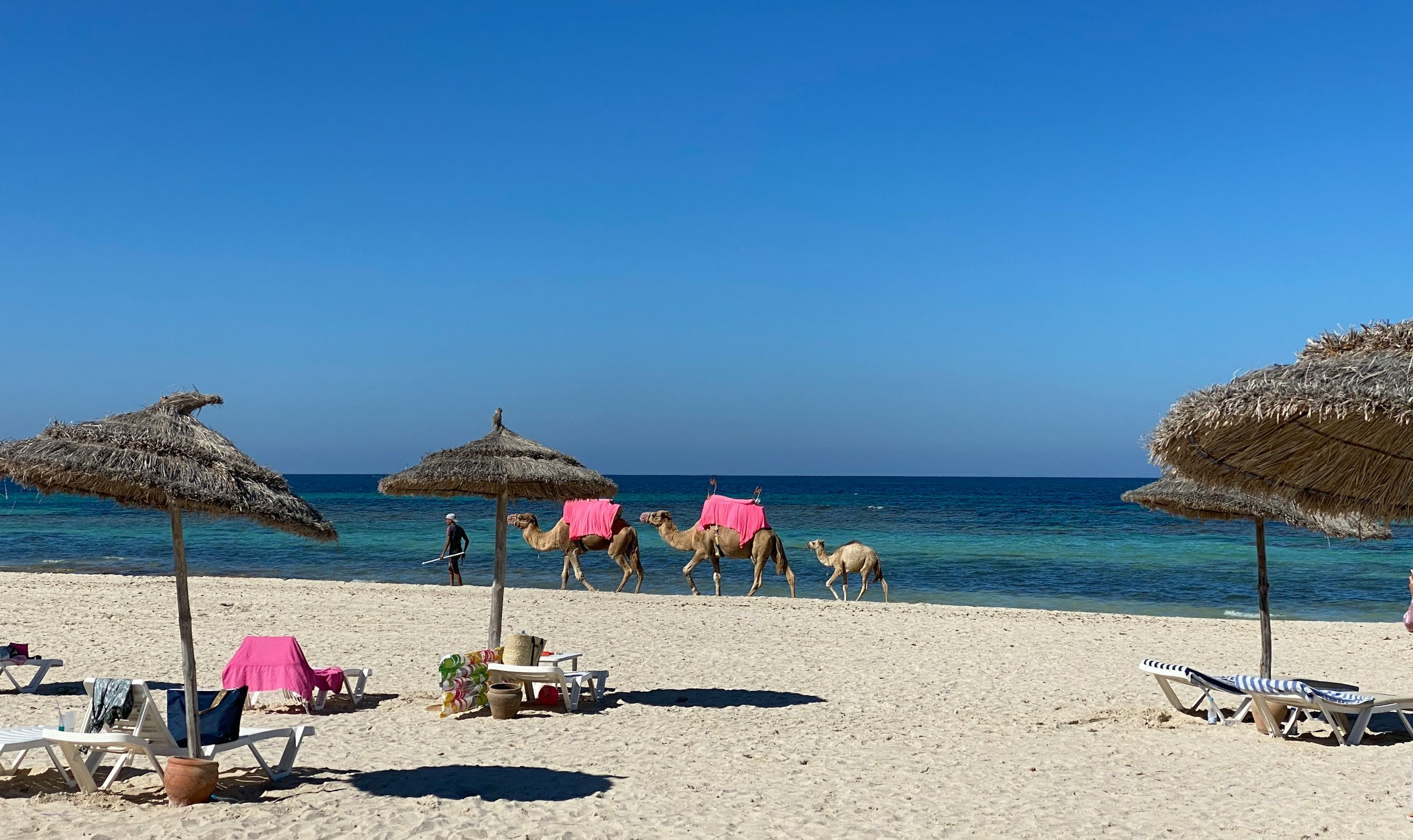
By 1971, Dalton had a regular gig at the Sahara Beach Resort. Their audience was mostly tourists – Europeans no doubt, looking for a break and curious about life on the other side of the Mediterranean Sea. Chekili and his friends had few opportunities to play their own music to this crowd that wanted to hear pop hits.
“You’re good,” the resort manager might have told them. “But you’re not that good. Now play the one about the bullfrog again.”
Still, they kept composing – even as their late nights spent drinking in basements became fewer and fewer. Between the beach resort and their gigs at local hotels and night clubs, Chekili and his friends saved up enough pocket change to fly to Rome in 1971 to record two songs.
Chekili is 21 now – feeling far older and wiser than 18. His home country’s economy is booming with tourism and oil deposits. He has a band, he has friends. Maybe he has a girl or two back in Tunis.
Italy, by contrast, is just beginning the Years of Lead. The student activism of the 1960s is being replaced by neofascist counter protests and terrorist attacks. Bombings and political assassinations are stirring up resentment and unrest.
The stories never repeated, but they did rhyme.
How did Chekili imagine that visit to Italy would go?
Did he picture renting a Vespa and driving it along the Italian coast? The wind is almost gentle against his cheeks. As the sun sets, the lights of the city are mirrored in the sea. The cobblestone streets make for a bumpy ride, but the views would be remembered long after the bruises would fade.
Did he picture falling in love? He sees a beautiful woman at a café or maybe walking down the street. He charms her immediately, impressing her with his basic Italian. She is drawn in by his Arabic accent, his modern sunglasses and his North African features. They sip espressos and plan a spring wedding.
Did he picture returning to Tunis with a hit single that would launch him into stardom? He steps off the plane, posing at the top of the stairs. The crowd below erupts into cheers. Cameras click. Lights flash. He grins with an ease he’s never felt before.
“My soul is forgotten, my soul is lost,” Chekili sings in Carthago’s “Alech”. “Oh listener, why do I listen, don’t you sleep?”
No, Chekili isn’t ready to give up just yet.
He ignores the resort manager’s comment and changes the subject. Privately, he thinks about the guitar slung over his back and the next time he will visit Italy.
Click here to listen to Carthago’s “Alech”.
It’s 2015, and Jannis Stürtz is in Casablanca again.
He’s sitting beside the sister of a man he’ll never meet. Stürtz arrived at her house after asking around the city all day, after knocking on strangers’ doors and sweating in countless cabs. She has no doubt offered him tea or made some other gesture of hospitality.
She is telling Stürtz stories about her brother’s life, about his years in Paris and his creative spirit. About his interest in theater and painting. About his wife and his two children. About his death in 1991 at the age of 50. About how she hasn’t heard his music in 30 years because she doesn’t own a record player.
The room smells of mint and sugar. The coffee table has stains on the surface where previous guests have let their glasses sit for too long. Cars pass by on the busy street outside.
Stürtz sits quietly and listens.

It’s the late 1970s, and Fawzi Chekili is forming a band again.
He’s sitting with his friends somewhere in Tunis or Sousse. It’s been nearly a decade since they formed Dalton and started playing at local hotels and night clubs. Marhaba Band – their main competitor for booking gigs – sits across from them.
They’re talking – no doubt – about disco music, about Western influences and Tunisian beats. About their favorite night clubs and their favorite songs. About how they might combine their bands to form a single group. About traveling to Paris to record an album.
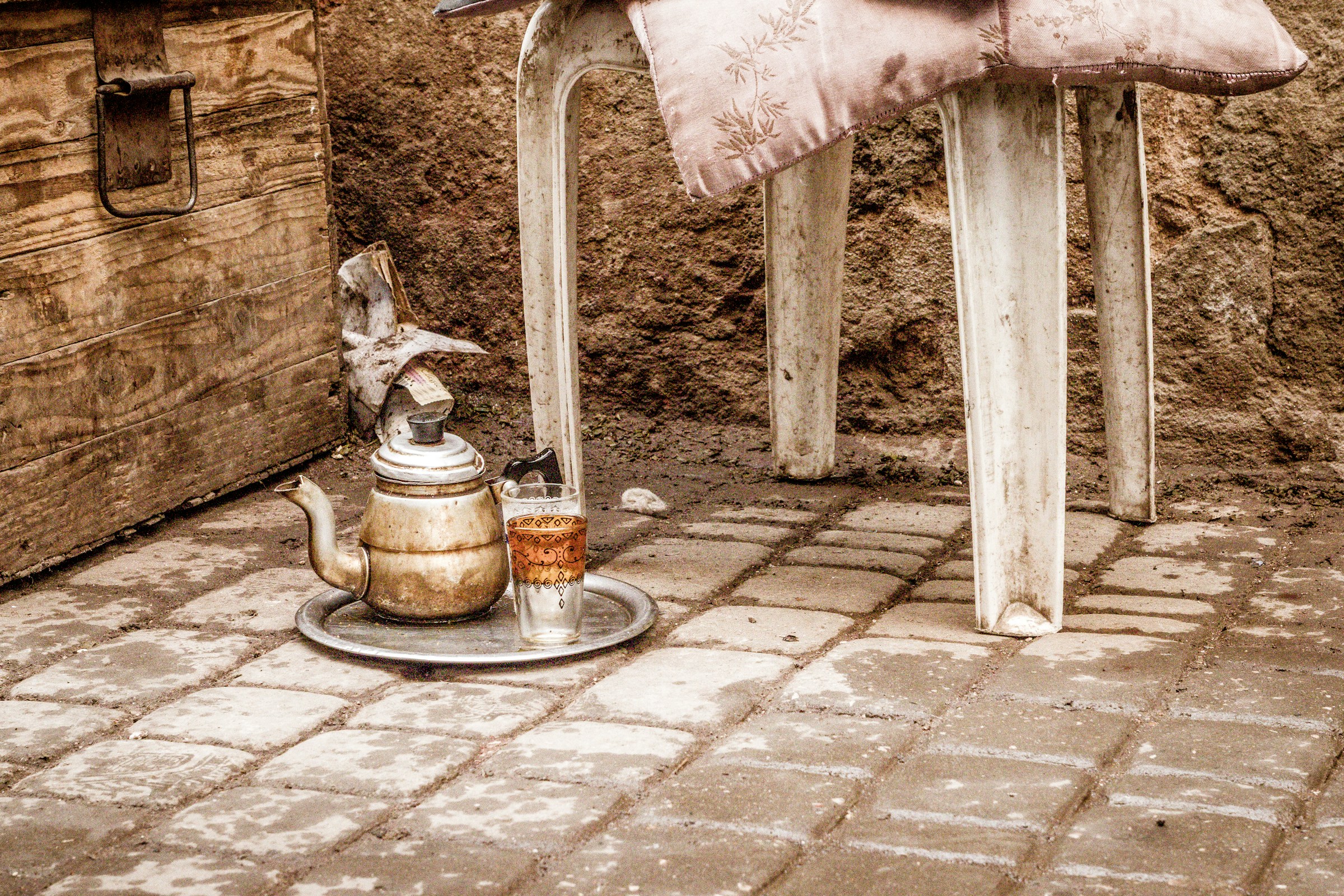
The room smells of mint and sugar.
Chekili sits quietly and listens.
Click here to listen to Fadoul’s “Azmanah Sa’Ib” on Spotify.
“Azmanah Sa’Ib (Time Is Hard)” would be published in December of 2015 with permission from Fadoul’s family – 45 years after his music was originally released.
It would be a strong beginning for Habibi Funk. By 2025, the label would boast 31 re-released records and nearly 40,000 followers on Spotify. Habibi Funk would stay true to its founder’s ethos – all of its music would be licensed directly from the artists or their families and any profits split 50/50.
For now, though, it is just July. The days are long, the nights are short, and Jannis Stürtz has made another discovery.
A French collector had introduced Stürtz to the record. It was short – just two songs – but both impressed Stürtz “heavily”. He was immediately interested in re-releasing it under Habibi Funk’s label. Fortunately, this composer will be far easier to find than Fadoul – a quick Google search brings Stürtz straight to the band leader’s Instagram.
He scrolls through photos of pianos and guitars, of a jazz musician performing concerts at a wide variety of venues. The account’s profile picture shows a man with wild white hair and wide frame glasses. His guitar is an easy weight in his lap.
With two quick taps, Stürtz opens a new message and starts typing.


Somewhere on the coast of the Mediterranean, a musician watches the waves crash against the shore.
His discography boasts ten albums, each a mix of his native Tunisia and his love for jazz – which he has taught at the Higher Institute of Music and the Center for Arab and Mediterranean Music for over a decade. He has become an accomplished musician and teacher, an icon in the world of Tunisian music. He has traveled the world, has played jazz for audiences of all ages and nationalities.
He has even returned to Italy – not to Rome, but to Camerino, where he was awarded the “special jury prize” at the International Massimo Urbani Awards in 2005.
For now, though, it is just July. The days are long, the nights are short, and this man is reminiscing.
“Go back to the days,” read the lyrics to Carthago’s 1970s song “Hanen“. “Of happiness, love, and loyalty – so that we can live together in a beautiful world.”
The man’s pocket rings with a message notification. He reaches for his phone and opens Instagram with a practiced swipe.
“You don’t know me,” that first message from Jannis Stürtz might have read. “But what can you tell be about ‘Dalton’?”
With two quick taps, Fawzi Chekili opens a new message and starts typing.
Click here to listen to Habibi Funk’s complete collection of re-released Arabic music on Spotify.


Leave a Reply