
It’s a Friday night. White clouds hang low in the sky, heavy with bursts of summer rain. The July sun is still lingering above the horizon – it won’t set until after 8pm, when the cicadas have started singing and the mosquitoes have already eaten me alive.
I’m cruising down I-985, my foot hovering over the brake as I coast down a hill. I’m in proper Appalachian country now – the boonies, as my West Virginian father would say. The decaying barns and rusted junkyards around me are as familiar as the concrete jungle of Atlanta. I’m constantly scanning the treeline for any deer that might be feeling jumpy.
“Your destination is on the left,” my phone tells me. I obey and turn on to an unremarkable gravel road. I wince, apologizing to my 10-year-old car as I force her up the hill as gently as I can. With one hand, I pull up the directions the host sent me. Past the first house, then pull in front of the second – and don’t block the road behind you.
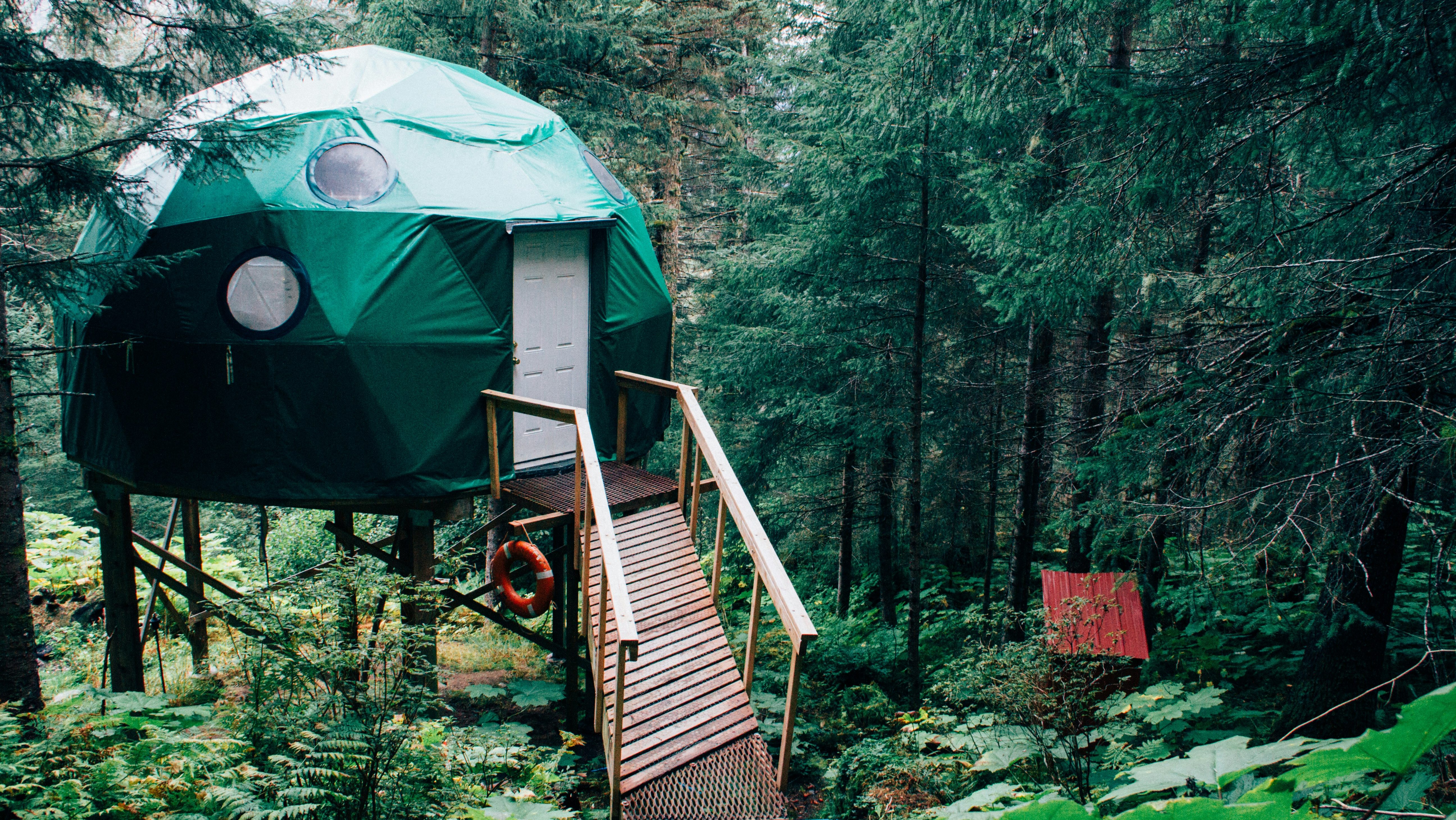
My Airbnb for the weekend is a tiny cabin in the mountains of northern Georgia. It’s nestled sweetly in acres of untouched forest, elevated on a small deck with an outdoor shower, a fire pit, and fairy lights that would make any TikTok influencer jealous.
Giddy with relief that my long drive is over, I spill out of my car and up to the front door. The inside of the cabin is equally unassuming. A small bed faces a huge window into the forest. There’s a mini-fridge and some bottled water in one corner, a couch and a deck of cards in the other. The path outside leads to a bathhouse I’ll be sharing with the other rentals on the property.
The perfect retreat from the big city. I pull my bags inside and start unpacking.
It was pretty much all downhill from there.
The wood used to build the deck, the outdoor shower, and the fence around the fire pit was obviously never sealed. As a result, all of the structures are now visibly rotting. The same is true of the metal lawn chairs, which are covered in rust, and the outdoor hammock, which smelled of mold and mildew.
The inside of the home is dusty. My view of the forest is obstructed by windows that have never been cleaned. Some of the walls have holes in them, leading clear to the outdoors.
Now, I know what you’re thinking. These are just the complaints of a city girl who doesn’t like bugs. If you can’t handle a little dirt, don’t go glamping, Rachel.
I understand – but I would also remind you that I lived in a Namibian village for two years. I still don’t like bugs, but whatever Georgia can send my way will never compare to giant spiders and wasps the size of my fist.
I’m not complaining that there are creepy crawlies in the forest. I’m complaining that the owners are neglecting their property and still expecting me to pay over $300 for a two-night stay.
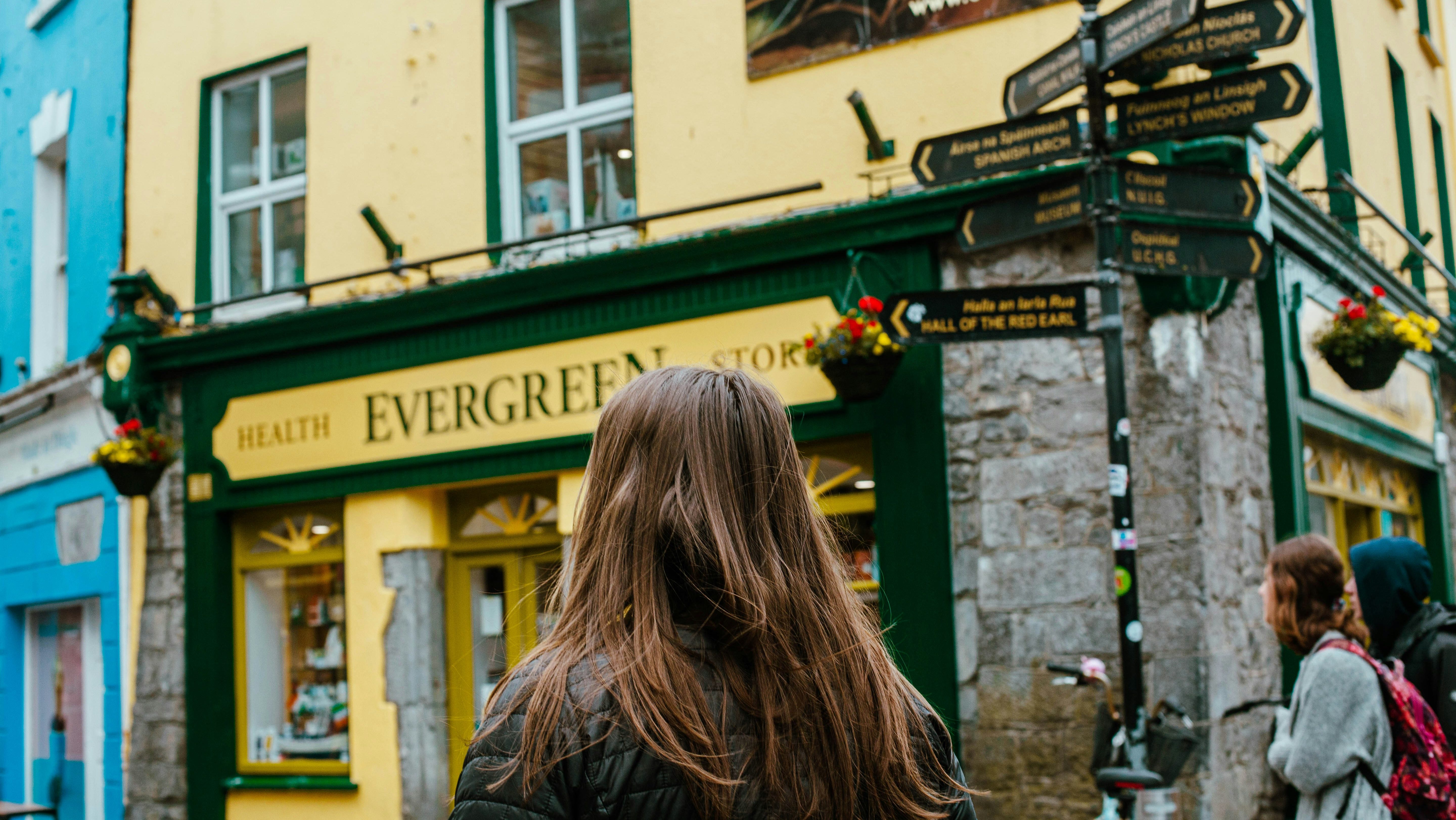
When my brother and sister-in-law visited me in Ireland in 2016, they stayed in an Airbnb in Galway that was just an extra room in a nice man’s apartment. He welcomed them to the city, invited me inside, and poured everyone drinks before wishing us well on our day trip to Inishmore.
This was Airbnb’s original vision. The first ever hosts were two roommates in San Francisco who were just trying to pay their rent.
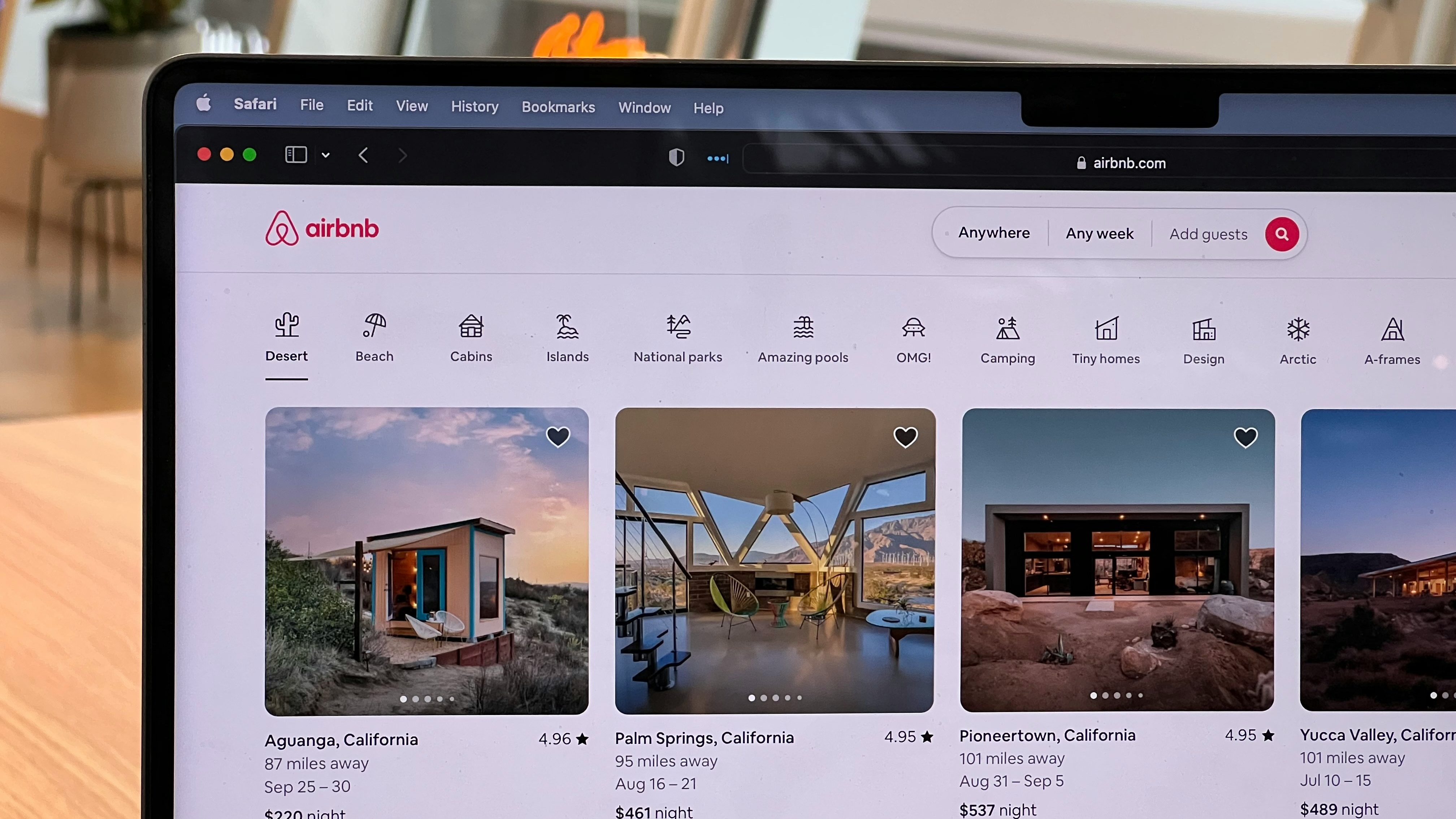
But even in 2016, the tide was already shifting away from private room rentals. Eighty-one percent of Airbnb’s nationwide revenue that year came from whole-unit rentals where the owner was not present. Airbnb’s home page suggests this trend hasn’t changed in the last decade: almost every listing is for a full condo or a guesthouse.
Whole-unit rentals are so popular that people with the means to do so are buying houses just to turn them into Airbnb listings. Hosts who can’t buy new properties outright are creating “novel experiences” instead.
Since 2020, “unique” properties – like tiny cabins in the forest with outdoor showers and picturesque hammocks – have skyrocketed in popularity. Between 2019 and 2021, nights booked at unique properties increased by nearly 50 percent. Airbnb now boasts everything from igloos to tree houses to castles.
Airbnb has become the Great American “side hustle” of the 21st century. Even while doing research for this blog post, I was surprised by how many recommended websites were about how to invest in Airbnb.
“There are a lot of factors that go into locating and purchasing a house which has the potential to turn into a profitable Airbnb,” one article reads. “This guide provides a detailed breakdown of the aspects that investors need to consider and the steps that they need to take in order to find Airbnb properties to buy.”
Other articles offer step-by-step guides and tips on how to identify profitable markets. The website Rabbu seems to offer an entire community for Airbnb investors, including a database of market research and a platform for buying and selling Airbnb properties.
I can see the history of my little cabin in the woods unfolding even as I lie in bed and listen to the cicadas screaming outside its walls. The host’s profile says she’s been on Airbnb for six years. So just before COVID, she and her partner either inherited or bought this land – which was originally zoned as a campground, accordingly to a document on display in the bathhouse. They built a handful of admittedly impressive structures, bought a couple projectors and mini-fridges, and created a host account on Airbnb.
Then, they sat around and collected a paycheck. The average host in the U.S. earns $14,000 per year – though I imagine these hosts were earning even more. I shared a bathhouse with two other cabins on the property. A quick search confirmed that all three structures were listed on Airbnb under the same host.
A 2016 study showed that 20 percent of hosts had more than one listing on Airbnb – and that percentage, it seems, has only gone up since then. As of September 2023, Airbnb had 7 million listings but just 4 million hosts.
Some of these hosts are like my cabin in the woods. They have multiple listings, but the buildings or rooms are on the same property.
Other hosts are actually rental companies that have figured out how to leverage Airbnb to get more customers. Vacasa, for example, boasts over 40,000 listings on Airbnb – and these bigger competitors continue to eat up more and more of the market. Between April 2022 and April 2023, American property managers with more than 1,000 Airbnb listings grew their portfolios by an average of 27%.
Between side hustles and real estate moguls, this artificial demand for short-term rentals is increasing competition for residential properties and driving up home prices in tourist destinations.
I can’t fault the owners of my little cabin for trying to make a quick buck. In fact, I struggled to even leave them a negative review. I couldn’t help feeling the experience was as much my fault as theirs. I knew what I was getting into, after all, when I clicked “book”.
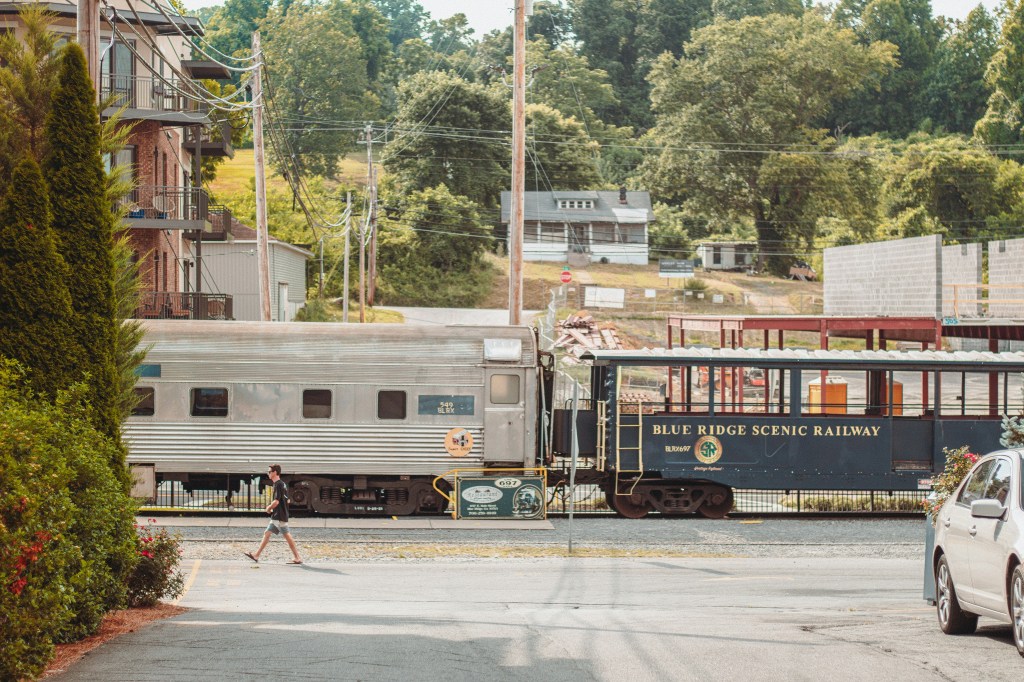
Nestled in southern Appalachia somewhere between Atlanta and Knoxville, Blue Ridge, Georgia, is a town of just 1,200 people.
Founded in 1886, the modern town of Blue Ridge boasts beautiful views of country farms and the picturesque Appalachian Mountains. Its tiny downtown includes artisan shopping opportunities and an historic scenic railway. Despite its rustic charm, Blue Ridge has remained up-to-date and adapted to the times: its website caters to tourists visiting from out of town and even includes a list of recommended places to stay.
Unsurprisingly, none of them are Airbnbs.
In 2019, the town of Blue Ridge adopted new regulations targeted at short-term rentals like Airbnb. This new law required owners to obtain a business license and a permit from the city clerk – which required a property inspection and needed to be renewed annually. The city clerk also required a “local contact” on record who could respond to any issues with an hour.
The list goes on. Liability insurance. Tax certificates. Safety Compliance Records. Parking Plans. Maximum Occupancy Certificates.
My little cabin in the woods was closer to Helen than Blue Ridge, so the hosts weren’t beholden to any of these rules. The only documentation I saw was that old certificate about campground zoning, and there certainly weren’t any carbon monoxide detectors onsite.
But most cities around the country are more like Blue Ridge than Helen. Opening an Airbnb listing is no longer as simple as clicking a button on a website. New York famously banned short term rentals in 2023, and cities like Los Angeles and San Francisco imposed similar regulations not long after. Whether they ban Airbnbs or just limit them, these laws are usually meant to stop excessive rental properties from crowding an already strained housing market.
The unintended consequence has been higher prices for Airbnb users. As the permits and licenses add up, hosts are passing these costs along to their guests.
On top of that, Airbnb users have long complained about hidden fees. My cabin in the woods, for example, might appear as $100 per night on the search page. But when I click on the cabin and decide to book, there is suddenly a sneaky “cleaning fee” or “processing fee” added to my total.
Combine these factors with rising inflation and Airbnb’s dominance of the rental market, it’s no surprised that Airbnbs are now more expensive than hotels in most major cities around the world. In Amsterdam, for example, the average Airbnb cost $83 more per night than the average hotel. San Francisco ($48) and New York ($22) showed smaller but still significant differences in price.
Even my $300 rural Georgia getaway was probably more expensive than two nights at a local hotel.
To make matters worse, hotels are often cheaper while offering more amenities. You’d be hard-pressed to find an Airbnb with complimentary breakfast, an indoor gym, and a private pool.
In the 2023 study cited above, researchers also compared the quality of similarly priced Airbnbs and hotels in New York. The top hotel on Kayak was in Upper Manhattan. For $193 a night, customers received a 220-square-foot room, free WiFi, and access to a gym and a courtyard.
The equivalently priced Airbnb was an illegal listing for a 250-square-foot basement apartment in Williamsburg. Its reviews complained of noisy pipes and dust.
It’s no wonder so many travelers feel like Airbnb has turned its back on their original tagline: “a cheap, affordable alternative to a hotel“.
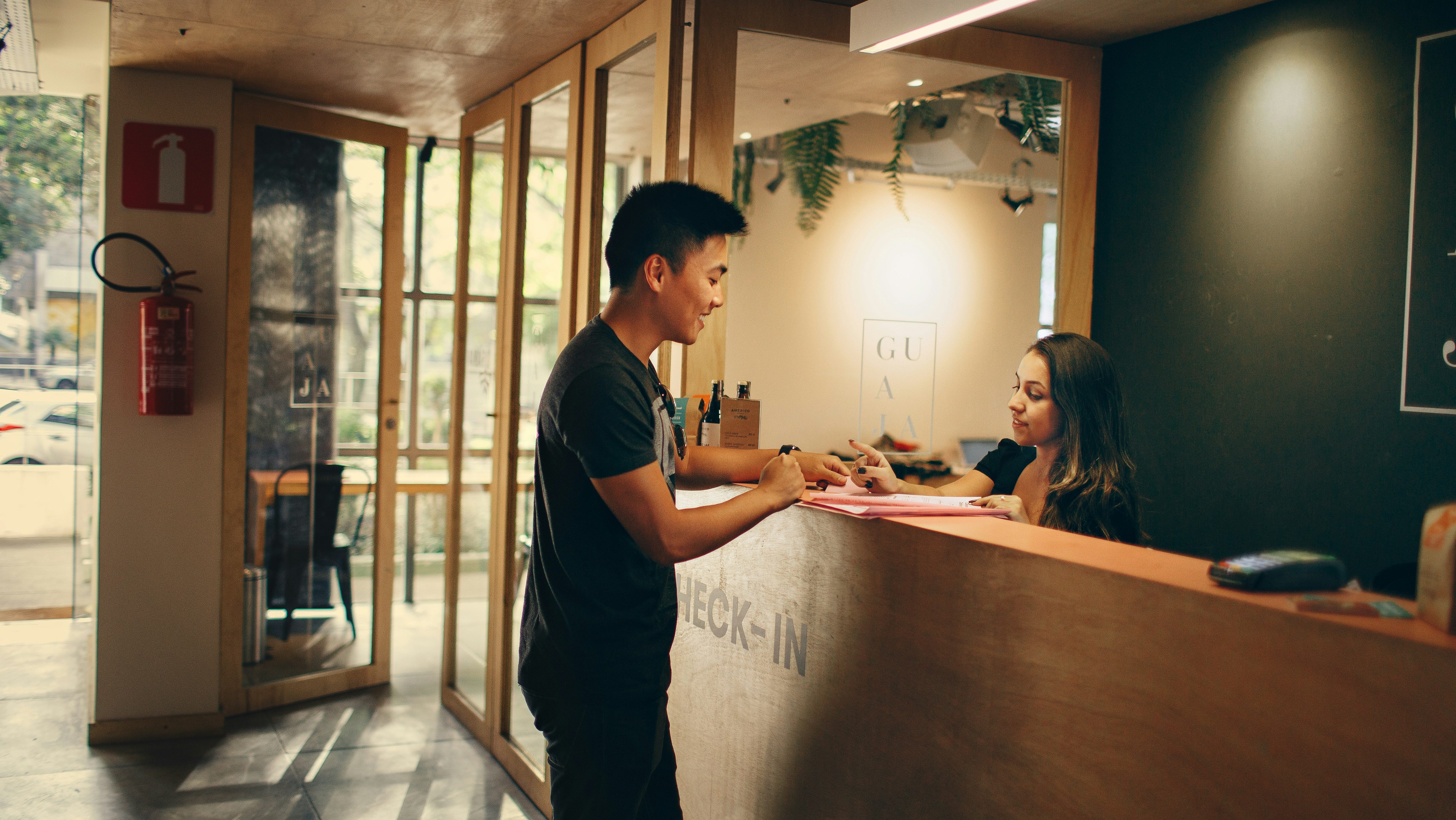
In doing research for this article, I tried to find some examples of recent lawsuits involving Airbnb hosts and their guests in case they might provide an interesting story or two.
Instead, I found dozens of articles offering guides on how to sue Airbnb.
“We often receive the question, can I sue Airbnb in small claims?” reads an article published earlier this year. “The answer is yes, as long as the dispute is for $12,500 or less (more on this below) and you sue in San Francisco small claims. You may also want to consider suing the Airbnb host you rented the unit from, or if you rented your home, you should consider also suing the Airbnb guests.”
You should consider also suing the Airbnb guests.
That makes my point better than any single story could.
Airbnbs lack accountability.
Although it offers liability insurance for hosts, Airbnb is usually not involved in legal disputes between hosts and guests. So yes – injuries or property damage can end up in small claims courts, which can be a taxing and drawn out process for both parties.
Hotels aren’t immune to lawsuits, of course. But they can at least offer perks like discounted prices or complimentary meals if something goes wrong during your stay. On the other hand, they won’t shy away from charging you a fee if you cause any property damage. But it’s unlikely Hilton or Four Seasons will take you to court for leaving a stain on their carpet.
Most hotels are also equipped to prevent accidents from happening in the first place. They have a much clearer legal responsibility to identify and mitigate potential hazards, provide adequate security measures, and respond promptly to any incidents that may occur.
In comparison, almost half of all Airbnb hosts (44%) in 2016 reported living over 10 minutes away from their listing. This means that almost half of all hosts will be over 10 minutes away in the event of a major issue or even an emergency during the guest’s stay – assuming they’re even in town at all.
As I lie in my moldy hammock outside my little cabin in the woods, all I can do is hold my breath and hope it doesn’t collapse beneath my weight.
As a regular solo traveler, I’ll always champion hotels.
Aside from almost always being cheaper, they provide a certain level of safety and security that Airbnb can’t compete with. It’s also just easier to communicate with a company – even a small one – rather than a single individual who might try to screw me over.
Still – it’s unlikely I’ll ever completely stop booking Airbnbs.
When one of my best friends completed his master’s degree last year, I spent the weekend staying with him in an Airbnb he shared with a half a dozen other graduates. We stayed up late the night before his graduation and turned the entire first floor into an efficient steaming service for everyone’s gowns. I slept on a mattress in the living room and woke up early to help with breakfast and doing the dishes.
That entire weekend is a memory I will always treasure.
Are Airbnbs perfect? No – certainly not.
But they’re fun. They offer unique adventures and new ways to experience everything from big cities to the mountains of northern Georgia. Perhaps most important of all – they allow us to share space with our friends and family when we travel, to create new memories in a place that feels like home. Even if it’s just for a few days.
And maybe that’s enough.


Leave a Reply